Article: The Magic of Murano
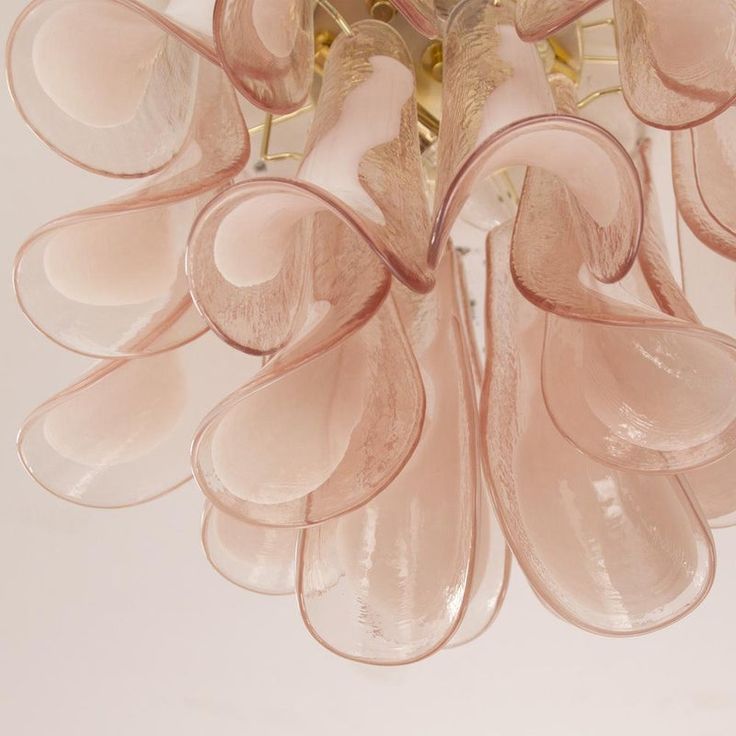
The Magic of Murano
If you’ve spent any time in the design world lately, you’ve likely noticed a luminous, sculptural glow making its way back into rooms, softly colored glass, organic shapes, and pieces that feel as much like art as they do function. That’s the magic of Murano.

The Story of Murano Glass
Murano glass traces its origins back to the 13th century, when Venetian glassmakers were moved to the island of Murano to both protect the city from fires and safeguard their closely held techniques. What followed was centuries of innovation, master artisans experimenting with color, form, and texture in ways the world had never seen.
Techniques like millefiori (a thousand flowers), lattimo (milk glass), and sommerso (layered glass) became signatures of Murano craftsmanship. Each piece is still handmade, often involving multiple artisans working in perfect rhythm, shaping molten glass into chandeliers, mirrors, and sculptural objects that feel alive.

Why Murano Is Having a Moment
Design is cyclical, but what’s happening now goes deeper than trend. In a world saturated with fast furniture and mass production, there’s a renewed hunger for pieces with soul, objects that carry history, craftsmanship, and individuality.
Murano delivers all of that. Designers are leaning into contrast, pairing sleek, modern interiors with expressive, imperfect, handmade elements. A Murano chandelier doesn’t just light a room, it tells a story. A glass mirror becomes a focal point rather than an afterthought.
There’s also a growing appreciation for collectible design, pieces that hold or increase in value over time. Vintage Murano, especially from the mid-century era, sits right at the intersection of art and function.

The Power of Mixing Materials
Here’s where Murano becomes more than beautiful, it becomes transformative.
Murano glass thrives in contrast. When you layer it against plaster walls, the softness of the matte finish allows the glass to glow and refract light in a way that feels almost cinematic. Against stone, think travertine, limestone, or marble, the organic veining grounds the fluidity of the glass, creating a balance between movement and permanence.
And then there’s metal. This is where you can really sharpen the look:
Brass brings warmth and a vintage European sensibility, especially powerful with amber or clear Murano pieces.
Polished nickel or chrome creates a crisp, modern tension, letting the glass feel fresh and elevated rather than traditional.
Bronze or aged iron deepens the palette, giving Murano a moodier, more collected-over-time feel.
The key is not to match, but to layer. Murano becomes the bridge between materials, softening hard edges, elevating natural textures, and adding a sense of artistry that pulls everything together.
A Murano chandelier in a white plaster room with stone floors and mixed metals doesn’t just “work”, it defines the entire space.

How to Incorporate Murano Into Your Home
You don’t need a Venetian palazzo to make Murano work. In fact, some of the most compelling spaces use it sparingly and intentionally:
Make it the statement: A Murano chandelier over a dining table or in an entry instantly elevates the entire space. Let it be the star.
Layer with intention: Combine Murano with plaster, stone, and mixed metals for a collected, editorial feel.
Mix old and new: A vintage Murano mirror in a clean, modern bathroom or hallway creates that perfect tension between eras.
Style small moments: Bowls, ashtrays, or small sculptures can add color and artistry to coffee tables and shelves without overwhelming the room.

A Noteworthy Source
For those looking to source exceptional pieces, both new and vintage, Round Top Antiques Fair is a treasure hunt in itself. And one standout within that world is Janet Wiebe, known for her incredible eye and collection of Murano lighting and mirrors. Her offerings strike that rare balance: timeless, collectible, and deeply special.
Murano glass isn’t just having a moment, it’s reclaiming its place. In homes that crave warmth, character, and a sense of story, these pieces don’t just fit in, they anchor the entire design.

Leave a comment
This site is protected by hCaptcha and the hCaptcha Privacy Policy and Terms of Service apply.